

Page updated 26 Feb 2024
Ministry candidates talk about them. Moderators share them during session meetings. Pastors preach sermons on them. “They” are the Great Ends of the Church — statements crafted in the early 20th century to guide the vision and mission of the Presbyterian Church.
The Presbyterian Book of Order (F-1.0304) defines the six Great Ends of the Church as:
- the proclamation of the gospel for the salvation of humankind;
- the shelter, nurture, and spiritual fellowship of the children of God;
- the maintenance of divine worship;
- the preservation of the truth;
- the promotion of social righteousness; and
- the exhibition of the Kingdom of Heaven to the world.
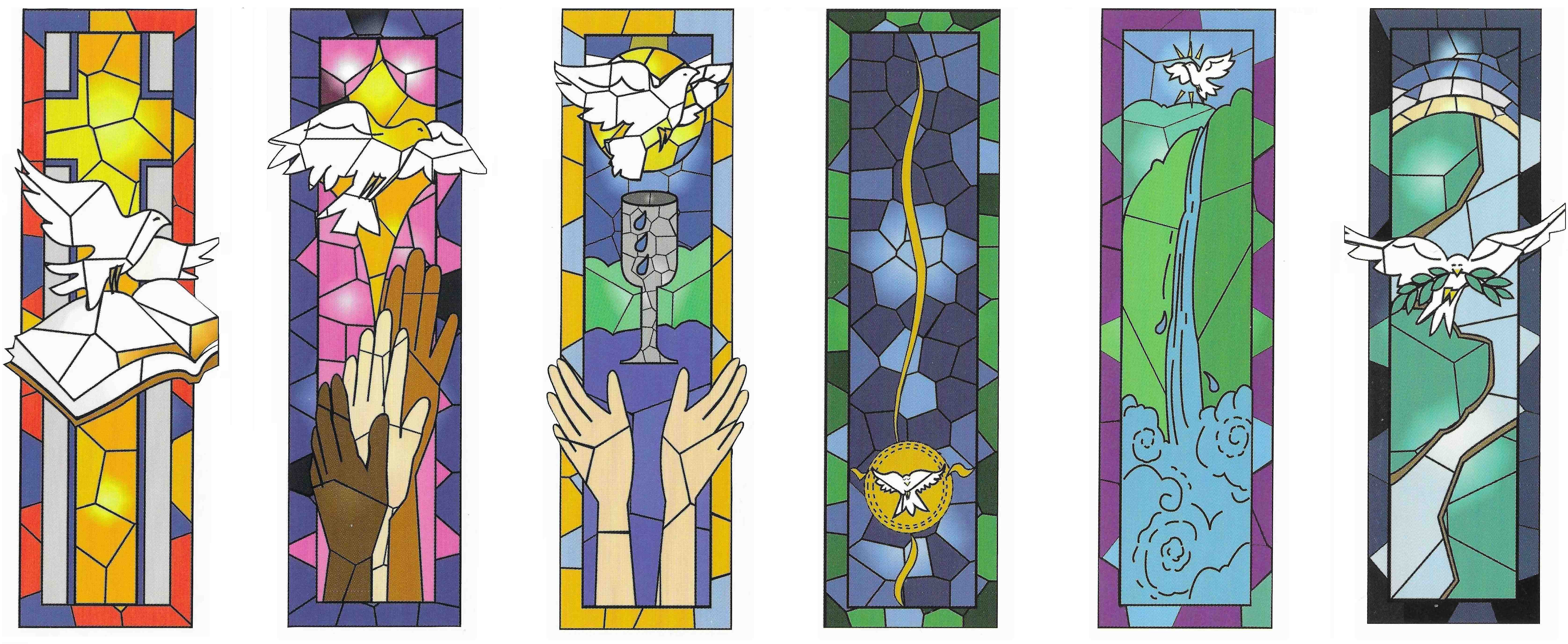
These quilted banners represent the six Great Ends of the Church. The symbolism in the banners is described below.
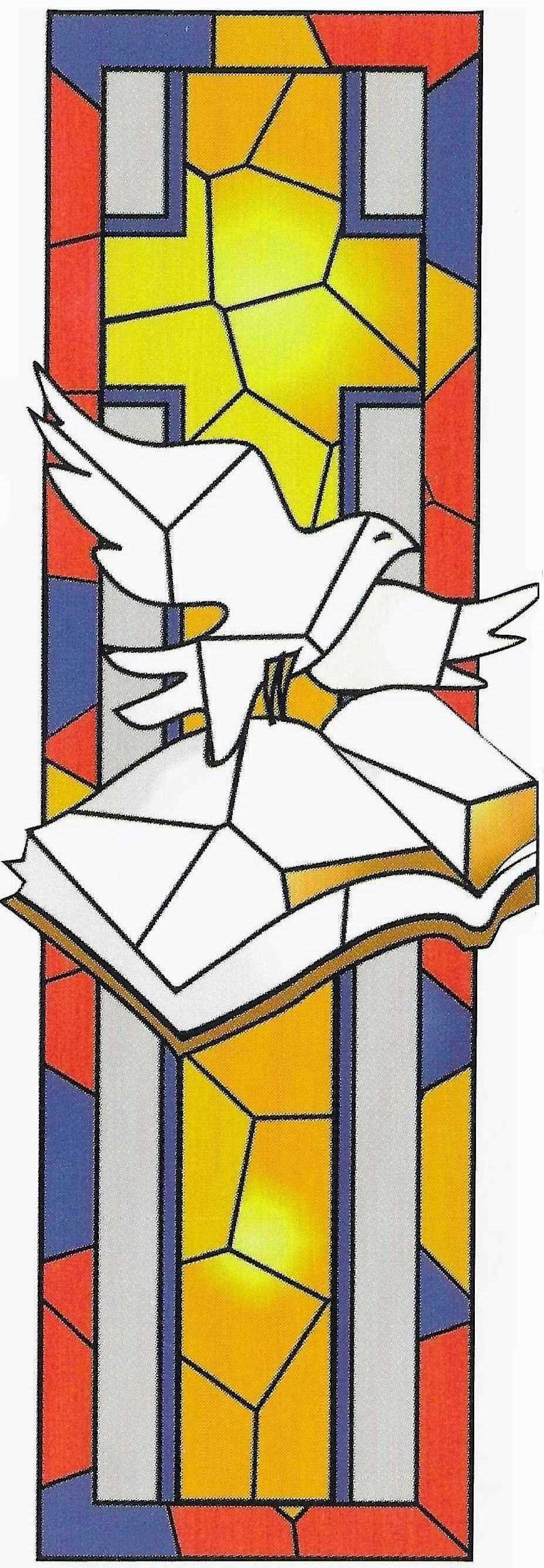
The First Great End
The proclamation of the gospel for the salvation of humankind
The book represents the Scriptures. The dove, representing the Holy Spirit, is rising from the Scriptures, indicating the source of both the original witness and our present understanding. The same Spirit that inspired the original writers enables us to receive the gospel. The cross behind the book and dove reminds us that the heart of the gospel is Jesus Christ, God with us and for us.
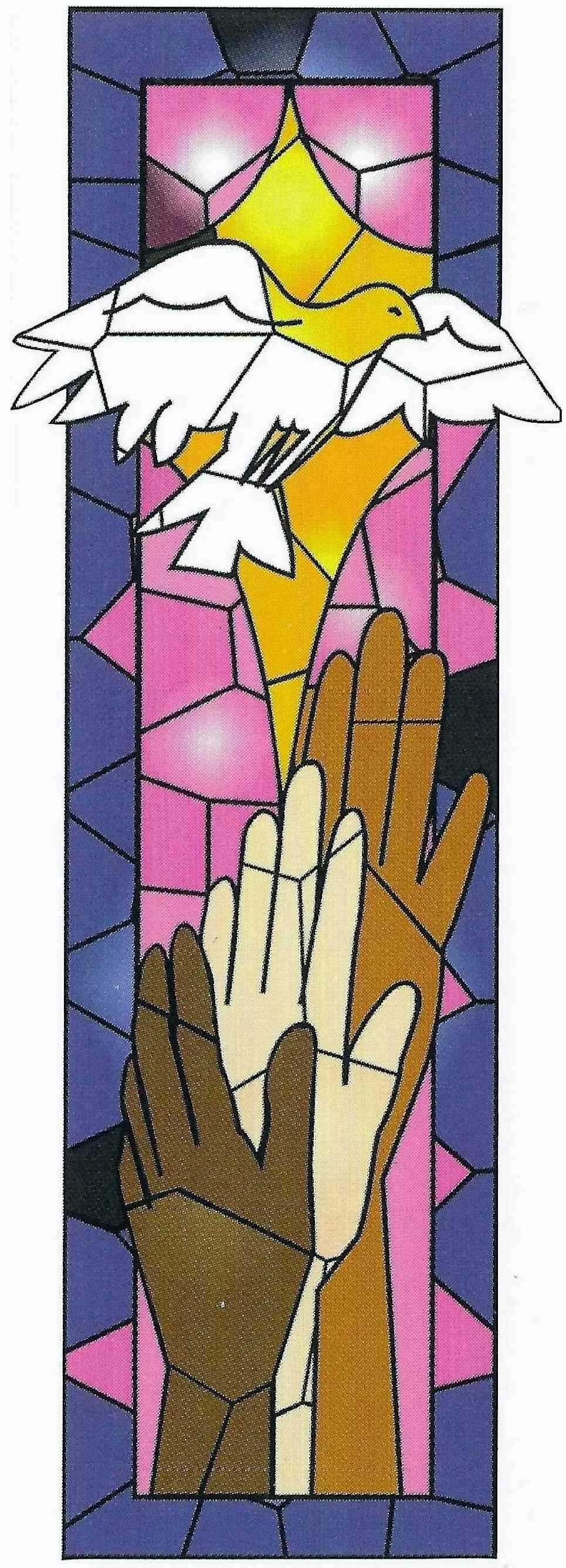
The Second Great End
The shelter nurture, and spiritual fellowship of the children of God
Multi-hued hands represent all the children of God. The dove’s wings are tipped downward, sheltering the people of God. The triangle of light links the dove to the people.
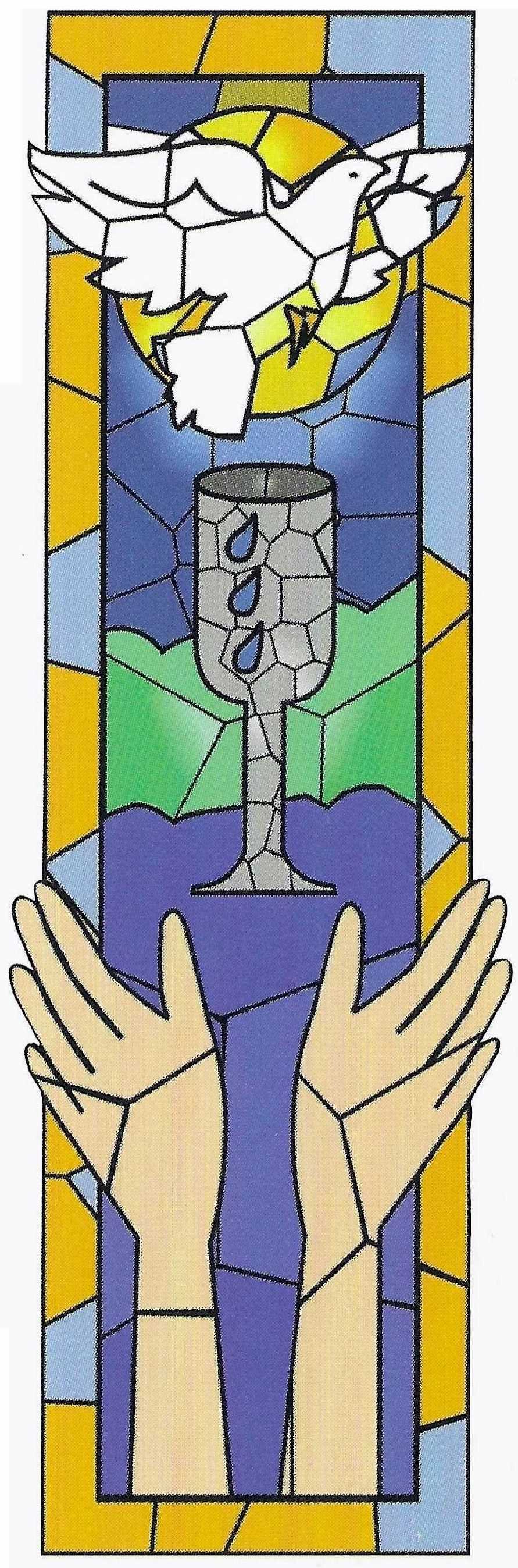
The Third Great End
The maintenance of divine worship
The chalice represents the Lord’s Supper. The three drops of water represent Baptism in the name of the Father, Son, and Holy Spirit. The dove reminds us that the same Spirit is present in the Sacraments as in the proclamation of the gospel. The raised arms signify our response of praise and thanksgiving — our worship of the living God.

The Fourth Great End
The preservation of the truth
The banner represents the light of truth shining in the darkness. The dove reminds us that the truth we proclaim to the world is the gospel of Jesus Christ, God with us and for us. “The light shines in the darkness, and the darkness has not overcome it.” (John 1:5)
The Fifth Great End
The promotion of social righteousness
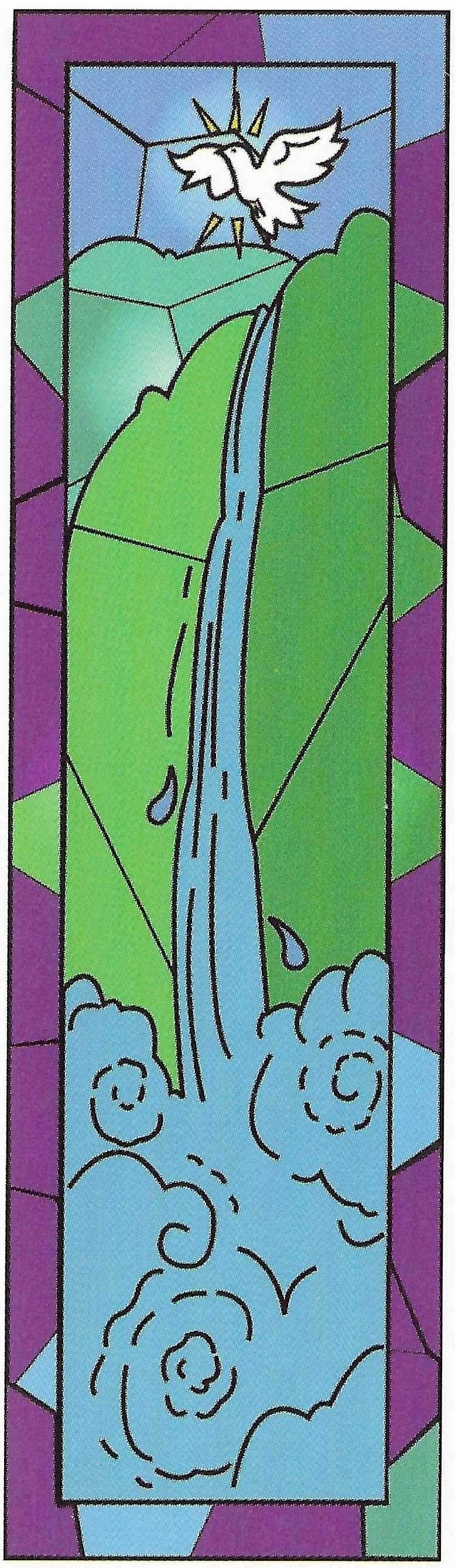
The banner represents Amos 5:24 — “But let justice roll down like waters, and righteousness like an overflowing stream.” The spirit, represented by the dove, empowers us to do justice and advance righteousness.
The Sixth Great End
The exhibition of the Kingdom of Heaven to the world
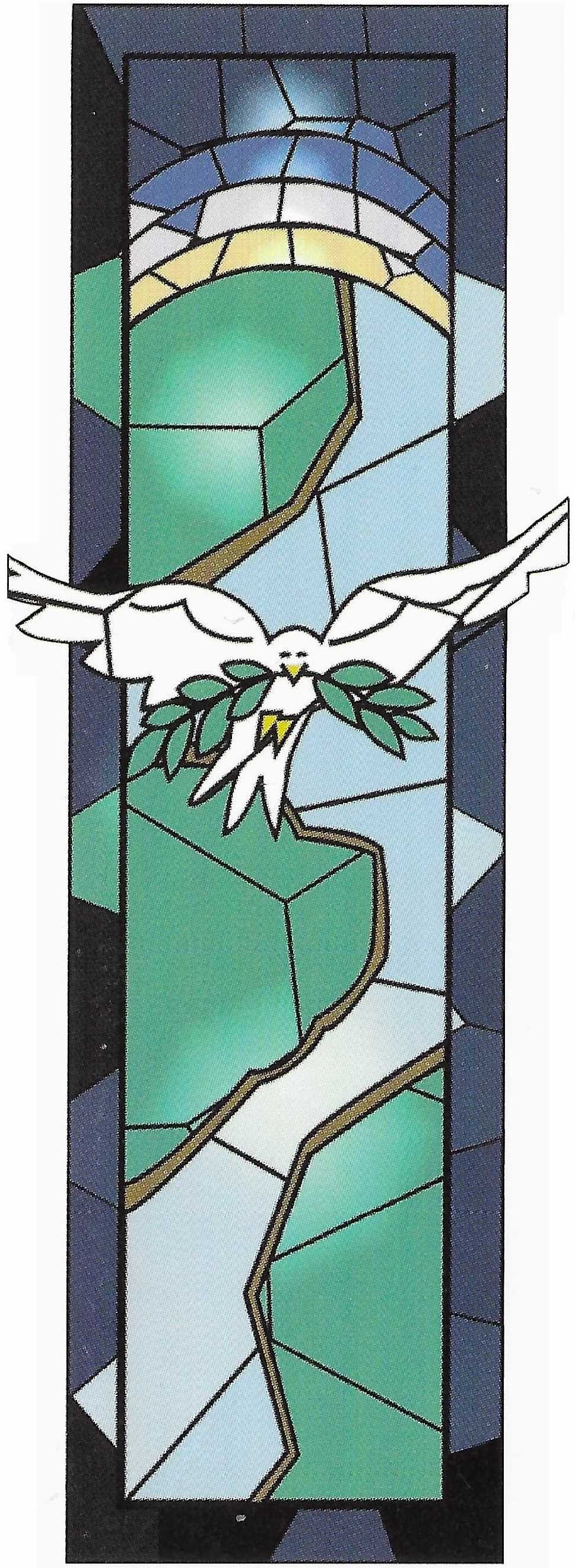
The dove flies over the globe, carrying an olive branch, echoing Genesis 8:11 — “And lo in her mouth a freshly plucked olive leaf; so Noah knew that the waters had subsided from the earth.” This represents the eighth day of creation, God’s grace coming into the world, the reign of God proclaimed by Jesus Christ. The light rising behind the earth represents the dawning of God’s Kingdom.
Great Ends Bookmarks
Here is a PDF file that you can print on card stock double sided (flip on short side) and cut out bookmarks with the Great Ends of the Church banners on the front and explanatory text on the reverse.
Great Ends Worship Resource
Here is a link to worship liturgies based on the Great Ends of the Church.
Great Ends Study Resources
Here is an article from Presbyterians Today on Living Out the Great Ends of the Church
The Great Ends of the Church, Leader’s Guide (Being Reformed Series)
The Great Ends of the Church, Participant’s Book (Being Reformed Series)
The Great Ends of the Church (Article by Houston Hodges)
 Presbyterian Church in Burlington